
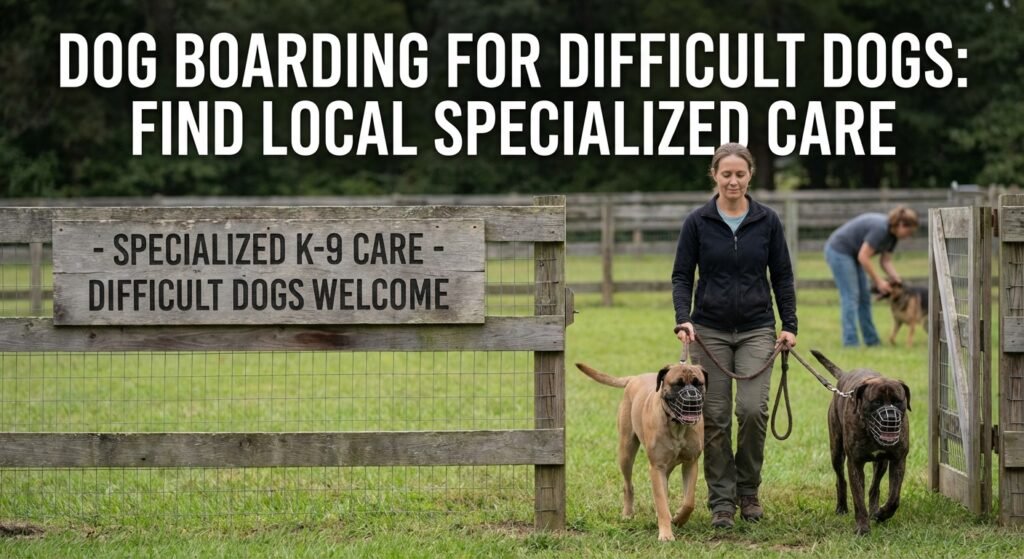
Finding suitable dog boarding for difficult dogs can feel like an impossible challenge, yet specialized solutions exist to provide safe, comfortable, and supportive environments for your unique canine companion.
See how our kennel-free dog boarding in Sandy works, including 24-hour supervision and a safety orientation for new dogs.
Understanding the specific needs of anxious, reactive, or fearful dogs is the first step toward securing peace of mind for both you and your pet during your time apart.
Understanding What Makes a Dog “Difficult” for Boarding
A “difficult” dog for boarding isn’t necessarily ill-behaved; rather, they often exhibit behaviors that make traditional kennel environments unsuitable or stressful for their well-being.
These challenges frequently stem from anxiety, fear, or overstimulation, requiring a more nuanced approach than standard care.
Common Behavioral Challenges in Boarding Situations
Dogs may display a range of behavioral challenges when faced with a new environment, unfamiliar dogs, and separation from their owners.
- Excessive Barking or Howling: Often a sign of stress, anxiety, or an attempt to communicate discomfort.
- Destructive Behavior: Chewing, scratching, or attempting to escape can be a coping mechanism for fear or boredom.
- Aggression (Fear-Based or Reactive): Snapping, growling, or lunging at staff or other dogs, usually stemming from insecurity.
- Pacing or Trembling: Clear physical manifestations of nervousness and high anxiety levels.
- House Soiling: Even house-trained dogs may regress due to stress, a common indicator of distress.
Recognizing these challenges helps you articulate your dog’s needs to potential boarding facilities.
Why Traditional Boarding May Not Suit Nervous or Anxious Dogs
Standard boarding kennels, with their open communal areas, high noise levels, and varied staff, can overwhelm sensitive dogs.
The lack of consistent routine and personalized attention often exacerbates existing anxieties, making the stay counterproductive and traumatic.
These environments can escalate stress, potentially leading to a breakdown in behavior or physical health issues for already vulnerable dogs.
Recognizing Signs of Stress and Anxiety in Dogs
Early identification of stress signals is vital for preventing escalation and ensuring your dog’s comfort.
Observing subtle cues allows you to intervene or seek appropriate specialized dog boarding for difficult dogs.
- Lip Licking or Yawning: Often displacement behaviors when feeling uneasy.
- Ears Pinned Back or Tail Tucked: Classic signs of fear or submission.
- Panting or Drooling (without exertion): Can indicate physiological responses to stress.
- Avoidance or Hiding: A dog seeking to escape an uncomfortable situation.
- Changes in Appetite or Thirst: Stress can significantly impact a dog’s desire to eat or drink.
Familiarizing yourself with these signs will empower you to advocate for your dog’s specific needs.
Key Features of Specialized Boarding for Difficult Dogs
Specialized dog boarding for difficult dogs focuses on creating an environment that minimizes stress and promotes well-being, rather than simply containing your pet.
These facilities understand that a calm, predictable setting is crucial for nervous or anxious canines.
Secure and Calming Environments for Anxious Pups
A truly specialized facility prioritizes physical and psychological safety above all else for their challenging canine guests.
This includes quiet spaces, individual enclosures, and appropriate soundproofing to reduce sensory overload that often triggers anxiety.
- Individual Climate-Controlled Suites: Offering personal space away from other dogs.
- Reduced Noise Levels: Minimizing barking and external disturbances.
- Secure Fencing and Protocols: Preventing escapes and ensuring safety during outdoor time.
- Comfortable Bedding and Familiar Items: Allowing dogs to bring their own beds or toys from home.
Such thoughtful design significantly contributes to a dog’s ability to relax and adapt to their temporary home.
Experienced Staff Trained in Canine Behavior and De-escalation
The caliber of the staff is paramount when seeking dog boarding for difficult dogs, as their expertise directly impacts your dog’s experience.
Staff should possess a deep understanding of dog body language and positive reinforcement techniques to effectively manage stress without force.
- Certification in Canine First Aid and CPR: Ensuring immediate response to health emergencies.
- Training in Fear-Free Handling: Techniques that minimize stress during interactions and care.
- Knowledge of Breed-Specific Behaviors: Understanding inherent traits that may influence a dog’s reactions.
- Ability to Recognize Subtle Stress Signals: Allowing for proactive intervention before behaviors escalate.
These qualifications ensure your dog receives patient, informed care tailored to their unique temperament.
Individualized Care Plans Tailored to Your Dog’s Needs
A “one-size-fits-all” approach simply does not work for difficult dogs; customization is key to a successful boarding stay.
Specialized facilities will develop a bespoke care plan, considering your dog’s specific anxieties, routine, and any required medications.
- Detailed Intake Assessments: Gathering comprehensive information about your dog’s history and triggers.
- Personalized Feeding Schedules: Adhering to your dog’s home routine to maintain consistency.
- Medication Administration Protocols: Ensuring all prescribed medications are given accurately and on time.
- Customized Exercise Routines: Providing appropriate activity levels without overstimulation.
This commitment to individualized attention dramatically improves the likelihood of a positive boarding outcome.
Opportunities for Enrichment and Positive Reinforcement
Mental and physical stimulation, delivered through positive reinforcement, can significantly reduce anxiety and destructive behaviors in boarding dogs.
Engaging activities keep their minds occupied and reinforce desired behaviors in a low-stress manner.
- Puzzle Toys and Lick Mats: Providing mental challenges and calming activities.
- Controlled Play Sessions (if appropriate): Supervised interactions with compatible dogs or one-on-one with staff.
- Scent Work and Obedience Games: Building confidence and mental engagement.
- Gentle Walks in Secure Areas: Offering sensory input and exercise away from high-stress environments.
These thoughtful enrichment options contribute to a more enriching and less stressful stay for your difficult dog.
Managing and Mitigating Separation Anxiety During Stays
Separation anxiety is a significant concern for many dog owners and often contributes to “difficult” behaviors in boarding settings.
Specialized facilities employ strategies to help dogs cope with the absence of their primary caregivers.
- Consistent Staff Interaction: Providing a stable, reassuring human presence.
- Establishment of a Predictable Routine: Helping dogs anticipate events and feel more secure.
- Calming Aids: Utilizing pheromone diffusers, calming music, or vet-approved supplements under guidance.
- Positive Reinforcement for Calm Behavior: Rewarding quiet and relaxed states.
Effective management of separation anxiety is crucial for a peaceful and successful boarding experience.
Finding the Right Boarding Facility for Your Challenging Canine Companion
Selecting the appropriate dog boarding for difficult dogs requires diligent research and a proactive approach.
It involves more than just checking availability; it means thoroughly vetting facilities and their protocols.
What to Look for in a Professional Boarding Facility
Beyond specialized care, a professional boarding facility should meet fundamental standards that ensure your dog’s health and safety.
Attention to these details can prevent unexpected issues during their stay.
- Cleanliness and Sanitation Protocols: Ensuring a hygienic environment to prevent illness.
- Appropriate Licensing and Insurance: Verifying the facility operates legally and is protected.
- Emergency Preparedness: Clear plans for veterinary emergencies or natural disasters.
- Secure and Well-Maintained Premises: Preventing escapes and injuries.
- Positive Online Reviews and Testimonials: Indicating a track record of satisfied clients and well-cared-for pets.
These foundational elements are critical for any reputable boarding service, especially for dogs with special needs.
Questions to Ask Potential Boarding Providers About Handling Difficult Dogs
Engaging in a detailed conversation with potential providers is essential to gauge their capabilities and philosophy.
Your questions should probe their experience and specific protocols for challenging canines.
- “What is your staff-to-dog ratio, especially for specialized care areas?”
- “Can you describe your specific protocols for managing dogs with anxiety or reactivity?”
- “What training and certifications do your staff members hold in canine behavior?”
- “How do you handle emergency situations, both medical and behavioral?”
- “What is your communication policy regarding updates on my dog’s well-being?”
- “Are you able to administer medications or follow specific dietary instructions?”
- “What is your policy on pre-boarding visits or trial stays for difficult dogs?”
Thorough questioning helps ensure alignment between your dog’s needs and the facility’s offerings.
The Importance of a Facility Tour and Observing Dog Interactions
A physical visit offers invaluable insights that cannot be gained from brochures or websites alone.
Observe the environment and staff interactions firsthand to assess the facility’s suitability.
- Observe Staff-Dog Interactions: Look for calm, patient, and positive engagement.
- Assess Cleanliness and Odor: A clean facility should not have strong, unpleasant odors.
- Evaluate Noise Levels: Notice if the environment seems overly chaotic or appropriately quiet.
- Examine Enclosure Security and Comfort: Ensure spaces are safe, adequately sized, and provide comfort.
Your personal assessment is a critical step in verifying the facility’s claims and suitability.
Red Flags to Watch Out For When Choosing a Boarding Service
Being aware of warning signs can protect your dog from a potentially negative or harmful boarding experience.
Avoid facilities that exhibit these concerning characteristics, particularly when seeking dog boarding for difficult dogs.
- Reluctance to Answer Questions: A lack of transparency is a major concern.
- Unsanitary Conditions: Dirty kennels, strong odors, or visible waste.
- Overcrowding or Overstimulation: Too many dogs in a small space, leading to excessive barking or stress.
- Lack of Staff Training or Experience: Inability to articulate behavioral management strategies.
- No Clear Emergency Plan: Unpreparedness for unexpected medical or safety issues.
- Negative or Aggressive Interactions: Observing staff using harsh methods or showing impatience with dogs.
Trust your instincts; if something feels off, it likely is.
How to Prepare Your Difficult Dog for a Boarding Stay
Proper preparation can significantly ease the transition and reduce stress for your dog, even before they arrive at the specialized dog boarding facility.
Gradual acclimatization and clear communication are key components of a successful pre-boarding strategy.
- Start with Short Practice Stays: Gradually introduce your dog to the facility with day visits or overnight stays.
- Maintain a Consistent Routine at Home: Help your dog feel secure and predictable before the change.
- Pack Familiar Items: Include their bed, favorite toys, and a blanket with your scent.
- Update Vaccinations and Flea/Tick Prevention: Ensure they are healthy and protected for the stay.
- Communicate All Details to the Facility: Provide a comprehensive list of triggers, habits, and preferences.
These preparatory steps build confidence and familiarity, making the actual boarding stay much smoother.
Specialized Care Beyond Boarding: Supporting Your Dog’s Well-being
While boarding addresses temporary needs, a holistic approach to your dog’s health contributes to their overall resilience and adaptability, impacting their behavior in all settings, including dog boarding for difficult dogs.
Addressing underlying issues can reduce stress and make them more comfortable.
Understanding Dog Shedding and How It Can Be Managed (Even During Boarding)
Excessive shedding can be a sign of stress, poor diet, or skin issues, all of which can contribute to a dog’s discomfort and anxiety.
Managing shedding effectively improves coat health and can indirectly reduce skin irritations that might exacerbate behavioral issues.
- Regular brushing with appropriate tools helps remove loose fur and distribute natural oils.
- Specialized diets rich in Omega-3 fatty acids can improve coat health and reduce shedding.
- Professional grooming sessions can deshed and maintain coat health, especially for double-coated breeds.
A well-maintained coat contributes to a dog’s physical comfort, which in turn can positively influence their mood and behavior.
Identifying and Addressing Common Dog Allergies That May Affect Behavior
Allergies can cause chronic discomfort, leading to irritability, restlessness, and other “difficult” behaviors as dogs try to alleviate itching or pain.
Proper diagnosis and management of allergies are crucial for improving a dog’s quality of life and temperament.
- Environmental Allergies: Dust mites, pollen, and molds can cause skin irritation and respiratory issues.
- Food Allergies: Certain proteins or grains can trigger digestive upset or skin reactions.
- Flea Allergy Dermatitis: Even a single flea bite can cause intense itching in sensitive dogs.
Addressing these underlying health issues can significantly improve a dog’s comfort and reduce stress-related behaviors.
The Role of a Healthy Dog Diet in Managing Energy and Mood
Nutrition plays a fundamental role in canine health, directly influencing energy levels, cognitive function, and emotional stability.
A balanced, high-quality diet can help regulate mood and reduce hyperactivity or anxiety-related behaviors.
- Choose foods with high-quality protein sources and complex carbohydrates for sustained energy.
- Avoid artificial additives, preservatives, and excessive fillers that can negatively impact behavior.
- Consider diets enriched with omega fatty acids and probiotics for overall well-being.
A well-nourished dog is often a calmer and more adaptable dog, better equipped to handle new situations like specialized dog boarding for difficult dogs.
Ensuring Adequate Dog Water Intake for Overall Health
Hydration is vital for all bodily functions, including brain activity and stress regulation.
Dehydration can lead to lethargy, confusion, and increased stress, potentially exacerbating behavioral issues.
- Provide constant access to fresh, clean water, especially during exercise or warm weather.
- Consider multiple water bowls in different locations or a dog water fountain to encourage drinking.
- Add water to kibble or offer wet food to increase overall fluid intake.
Maintaining optimal hydration supports physical health and contributes to a dog’s ability to cope with stressful environments.
When to Seek Professional Dog Grooming or Veterinary Advice for Coat Issues
Persistent coat issues, such as excessive shedding, matting, or skin irritation, often indicate underlying health problems that require professional attention.
Ignoring these signs can lead to discomfort and exacerbate behavioral challenges, making specialized dog boarding for difficult dogs even more necessary.
- Consult a veterinarian for chronic skin conditions, hair loss, or unusual shedding patterns.
- Seek a professional groomer for severe matting that can cause pain and skin infections.
- Discuss dietary changes or supplements with your vet if coat health doesn’t improve with regular care.
Proactive care for coat and skin health is an integral part of your dog’s overall well-being and can reduce sources of discomfort that impact behavior.
Complementary Tools and Services for Managing Dog Anxiety and Shedding
Beyond specialized dog boarding for difficult dogs, a range of products and services can support your dog’s mental and physical comfort, both at home and during boarding.
These tools often complement professional care, offering ongoing relief for common challenges.
Exploring Effective Dog Anxiety Relief Solutions
Managing anxiety extends beyond a boarding stay; incorporating daily relief solutions can foster a calmer temperament overall.
These options can be discussed with your vet and may be used in conjunction with specialized boarding protocols.
- Thundershirts or Calming Wraps: Apply gentle, constant pressure to help soothe anxious dogs.
- Pheromone Diffusers or Sprays: Mimic natural dog pheromones to create a calming atmosphere.
- Calming Supplements: Contain ingredients like L-Tryptophan or chamomile, often recommended by veterinarians.
- Behavioral Training with a Certified Professional: Addresses root causes of anxiety through positive reinforcement.
Integrating these solutions can make your dog more resilient to stressful situations, including future boarding needs.
Shedding Control Tools and Techniques for a Cleaner Environment
Effective shedding management not only keeps your home cleaner but also contributes to your dog’s comfort by reducing loose, irritating fur.
This can be particularly important during boarding, ensuring your dog feels better in their temporary environment.
- Deshedding Tools: Brushes designed to reach and remove undercoat fur effectively.
- High-Velocity Dryers: Used by professional groomers to blow out loose fur after bathing.
- Regular Vacuuming and Cleaning: Minimizes pet hair in the home environment.
Consistent use of these tools can improve coat health and reduce potential allergens, benefiting both dog and owner.
Specialized Dog Apparel for Comfort and Protection (e.g., Shed Defenders)
Innovative apparel can address specific challenges, from anxiety to seasonal shedding, offering practical solutions for unique dog needs.
Using such apparel can be part of a comprehensive strategy for managing difficult dogs in various situations.
- Shed Defenders: Full-body suits designed to contain shedding fur, ideal for travel or during high-shedding seasons.
- Cooling Vests: Help regulate body temperature for dogs prone to overheating.
- Paw Protectors: Shield sensitive paws from hot pavement, ice, or irritants.
These items provide comfort and protection, enhancing your dog’s well-being and potentially reducing stress-related behaviors.
Understanding the Benefits of Omega 3 for Dogs’ Skin and Coat Health
Omega-3 fatty acids are powerful nutrients that play a critical role in maintaining healthy skin and a shiny coat, and they also possess anti-inflammatory properties.
Supplementing with Omega-3s can alleviate skin irritations that contribute to discomfort and behavioral issues.
- Reduced Inflammation: Helps soothe itchy, irritated skin, lessening scratching and discomfort.
- Improved Coat Luster: Promotes a healthy, shiny coat and reduces excessive shedding.
- Support for Joint Health: Contributes to overall mobility and comfort, reducing pain-related anxiety.
Incorporating Omega-3s into your dog’s diet is a simple yet effective way to support their skin, coat, and general health.
How Probiotics Can Support Your Dog’s Overall Well-being
A healthy gut microbiome is intimately linked to overall health, including immune function, nutrient absorption, and even mood regulation.
Probiotics can help maintain digestive balance, which is particularly important for dogs prone to stress-induced gastrointestinal upset, especially during dog boarding for difficult dogs.
- Enhanced Digestion: Aids in nutrient absorption and promotes regular bowel movements.
- Stronger Immune System: A significant portion of the immune system resides in the gut.
- Reduced Anxiety: Emerging research suggests a gut-brain axis connection, impacting mood and behavior.
Adding a quality probiotic supplement can contribute to a more resilient and comfortable dog, better equipped to handle new environments.
What to Expect During and After Your Dog’s Boarding Stay
Even with the most specialized dog boarding for difficult dogs, understanding the full cycle of the boarding experience, from communication during the stay to post-boarding adjustment, is crucial.
This knowledge allows for proactive management of your dog’s needs throughout the entire process.
Communication and Updates from Your Chosen Boarding Facility
A key indicator of a caring and professional facility is their commitment to transparent and regular communication with pet owners.
Clear communication builds trust and provides peace of mind while your dog is away.
- Daily Photo or Video Updates: Visual confirmation of your dog’s well-being and engagement.
- Regular Email or Text Check-ins: Summarizing their day, appetite, and any significant observations.
- Direct Phone Access to Staff: For urgent concerns or specific questions.
- Detailed Report Card at Pickup: Summarizing the entire stay, including behaviors, eating, and bathroom habits.
These updates help you stay connected and informed about your dog’s adjustment and overall experience.
Signs Your Dog May Be Adjusting Well to Boarding
While some initial stress is normal, there are positive indicators that suggest your difficult dog is successfully adapting to their specialized boarding environment.
Recognizing these signs can alleviate your concerns and confirm you’ve made the right choice.
- Eating and Drinking Regularly: A good appetite is a strong sign of comfort and reduced stress.
- Engaging with Staff or Enrichment: Showing interest in play or activities, even if solitary.
- Relaxed Body Language: Less tension, more loose and fluid movements.
- Sleeping Soundly: Indicating they feel safe and secure enough to rest.
- Appropriate Elimination: Maintaining regular bathroom habits without accidents.
Observing these positive signs confirms the specialized care is working effectively for your unique companion.
Post-Boarding Care and Reintegration into Home Life
The transition back home can also be a sensitive time for dogs, especially those prone to anxiety or stress.
Gentle reintegration and a return to routine are essential for a smooth recovery after dog boarding for difficult dogs.
- Allow for Quiet Time: Let your dog decompress and rest without immediate overstimulation.
- Re-establish Routine Quickly: Revert to their normal feeding, walking, and sleeping schedule.
- Monitor for “Kennel Cough” or Other Illnesses: Watch for signs of common post-boarding ailments.
- Observe Behavior for Lasting Changes: Note any new anxieties or regressions, and address them promptly.
A calm and consistent environment upon return helps solidify the positive effects of their specialized care.
Continuing Strategies for Managing Difficult Behaviors at Home
The insights gained from a specialized boarding facility can be invaluable for ongoing behavioral management at home.
Maintaining consistency in training and environmental management is crucial for long-term success.
- Reinforce Positive Training: Continue using techniques that were successful during boarding.
- Maintain a Predictable Schedule: Consistency provides security and reduces anxiety.
- Provide Adequate Mental and Physical Stimulation: Prevent boredom and channel energy positively.
- Consult with a Certified Behaviorist: For persistent or escalating challenging behaviors.
Applying these strategies consistently will foster a happier, more well-adjusted dog in all aspects of their life.
Your Next Move
Finding the right dog boarding for difficult dogs is a critical step towards ensuring your pet’s well-being and your peace of mind.
Take these actionable steps to secure the specialized care your unique canine companion deserves:
- Research and identify specialized boarding facilities in your area that explicitly cater to anxious, reactive, or fearful dogs.
- Schedule a comprehensive facility tour and conduct an in-depth interview with staff, asking all the questions outlined above.
- Request references from other owners of “difficult” dogs who have used their services.
- Consider a trial day stay or short overnight visit before committing to a longer boarding period.
- Prepare your dog by maintaining their routine, packing familiar items, and providing all relevant behavioral information to the facility.
