
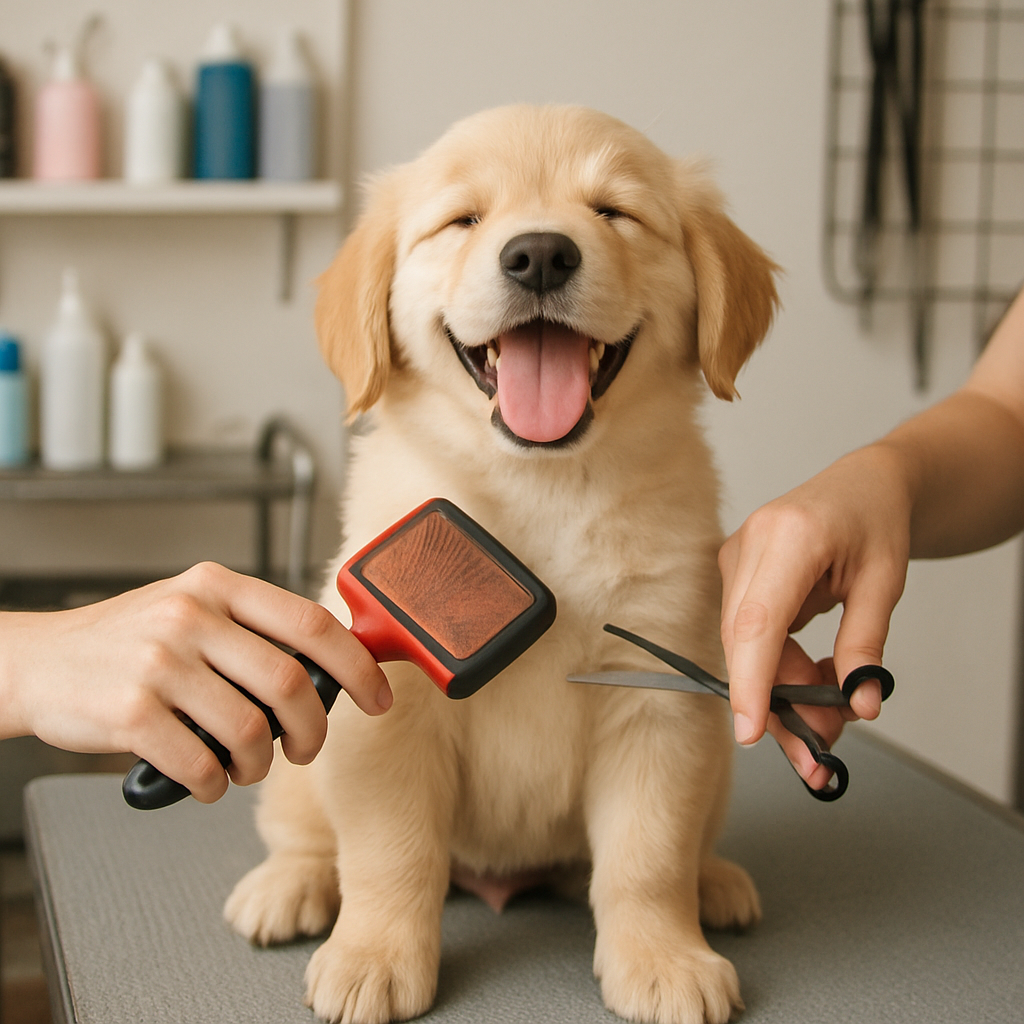
Understanding the Importance of Grooming
Before diving into the tips, it’s important to understand why grooming is crucial for your puppy. Regular grooming helps prevent matting, reduces shedding, and keeps your puppy’s coat clean and healthy. A well-groomed coat allows your puppy to regulate their body temperature effectively, preventing overheating during summer and keeping warm in winter. It also allows you to check for any signs of skin issues, ticks, or fleas, which are easier to spot on a clean coat. Early detection of these issues can prevent them from escalating into serious health problems.
Booking a first puppy groom in Sandy? See our dog grooming services and prices.
Moreover, grooming sessions can strengthen the bond between you and your puppy. These sessions provide a unique opportunity for physical contact and interaction, helping your puppy to trust you more. The gentle touch and attention during grooming can be soothing, turning it into a time they look forward to. Additionally, grooming helps your puppy get used to being handled, which is beneficial for visits to the vet or professional groomers.
Starting Early
Introducing your puppy to grooming at an early age is one of the best ways to make it a stress-free experience. Puppies are more adaptable when they are young, and getting them accustomed to grooming routines can prevent anxiety as they grow older. Starting early allows them to become familiar with the sensations and sounds associated with grooming, making it less intimidating.
Begin with short, gentle sessions to gradually build their confidence. As they grow accustomed to being groomed, you can extend the duration of these sessions. Consistency is key; even if your puppy doesn’t need a full grooming, handling them regularly helps reinforce the routine. This early introduction also allows you to identify any particular sensitivities or preferences your puppy might have, enabling you to tailor the grooming process to their comfort.
Creating a Calm Environment
Creating a calm environment is vital for stress-free grooming. Ensure the room is quiet, without loud noises or distractions. The environment should be familiar and comfortable for your puppy, minimizing the chances of them getting startled or anxious. You can play some soft music to create a soothing atmosphere, which can help both you and your puppy relax.
Make sure your puppy is relaxed before you start grooming. Engage them in a calming activity, like a short walk or play session, to help burn off excess energy. A tired puppy is often more willing to sit still during grooming. Additionally, having all your grooming tools within reach ensures you can maintain a calm demeanor, avoiding unnecessary interruptions that might stress your puppy.
Essential Puppy Grooming Tools
Having the right tools is essential for effective grooming. Here are some must-have items:
- Brush: Choose a brush suitable for your puppy’s coat type. A slicker brush works well for most breeds, but you might need a bristle brush for short-haired breeds or a pin brush for long-haired breeds.
- Comb: A fine-toothed comb helps remove tangles and loose hair, particularly in areas prone to matting.
- Nail Clippers: Invest in a good pair of nail clippers designed for puppies, as adult-sized clippers can be too large and intimidating.
- Shampoo: Use a gentle, puppy-specific shampoo to keep their coat clean. Avoid human shampoos, as they can be too harsh on their sensitive skin.
- Towels: Soft towels are necessary for drying your puppy after a bath. Consider having a few extra towels on hand for drying more thoroughly.
Familiarizing Your Puppy with the Tools
Before you begin grooming, let your puppy sniff and explore the tools. This will help them feel more comfortable and less apprehensive during the grooming session. Allow them to investigate each tool at their own pace, rewarding them with treats for calm behavior.
Introduce each tool separately, using positive reinforcement to build a positive association. For instance, let them sniff the brush, then gently stroke their back with it, rewarding them for staying calm. This gradual introduction helps reduce fear and resistance, making future grooming sessions more manageable.
Step-by-Step Puppy Grooming Tips
Bathing Your Puppy
Bathing is a vital part of grooming, but it should not be done too frequently as it can strip natural oils from their coat. Here’s how to bathe your puppy properly:
- Prepare the Bathing Area: Use a non-slip mat in the tub or sink to prevent slipping. Fill the tub with lukewarm water, ensuring it’s not too deep for your puppy’s size.
- Wet the Coat: Gently wet your puppy’s coat using a cup or a handheld showerhead. Avoid getting water in their ears and eyes, which can cause discomfort or infections.
- Apply Shampoo: Lather a small amount of puppy shampoo, starting from the neck and moving towards the tail. Use gentle motions to massage the shampoo into their coat.
- Rinse Thoroughly: Ensure all shampoo is rinsed out to prevent skin irritation. Residual shampoo can cause itching and discomfort.
- Dry Gently: Use a soft towel to dry your puppy. Avoid using a hairdryer as it can be too harsh and noisy, potentially frightening your puppy.
Brushing Your Puppy
Regular brushing helps keep your puppy’s coat healthy and free from tangles. Here’s a simple brushing routine:
- Start Slowly: Begin by gently brushing small sections of their coat. If your puppy seems anxious, reassure them with a soothing voice.
- Be Gentle: Use gentle strokes to avoid hurting your puppy. Watch for any signs of discomfort, adjusting your technique as needed.
- Pay Attention to Problem Areas: Focus on areas prone to matting, such as behind the ears and under the legs. Regular attention to these areas prevents painful tangles.
Nail Trimming
Trimming your puppy’s nails is crucial for their comfort and health. Long nails can cause discomfort and even lead to injuries.
- Get Comfortable: Hold your puppy securely in your lap or on a table. Ensure they feel safe and supported, which helps them stay calm.
- Use Proper Clippers: Use nail clippers designed for puppies. These are smaller and easier to handle than those for adult dogs.
- Trim Carefully: Trim a small portion of the nail at a time to avoid cutting the quick (the sensitive part of the nail). If you’re unsure, consult a vet or groomer for guidance.
by Will Rust (https://unsplash.com/@willrust)
Making Grooming a Positive Experience
Use Treats and Rewards
Reward your puppy with treats and praise during and after the grooming session. This positive reinforcement helps them associate grooming with pleasant experiences. Over time, your puppy will look forward to these sessions, seeing them as an opportunity to earn rewards.
Incorporate their favorite treats or toys into the process to make it even more enjoyable. For instance, offer a treat after each grooming task is completed, reinforcing their good behavior and patience.
Keep Sessions Short
Especially in the beginning, keep grooming sessions short to prevent your puppy from becoming restless or anxious. Puppies have short attention spans, and lengthy sessions can lead to frustration for both parties.
Gradually increase the duration as they become more comfortable. By slowly extending the time, your puppy will adjust without feeling overwhelmed. This approach helps build their tolerance and patience over time.
Consistency is Key
Establish a regular grooming schedule to help your puppy get accustomed to the routine. Consistency helps reduce anxiety and makes grooming a normal part of their life. A predictable routine fosters a sense of security, as your puppy knows what to expect.
Set specific days and times for grooming to create a structured schedule. This regularity not only benefits your puppy but also helps you stay organized, ensuring grooming is never neglected.
When to Seek Professional Help
While home grooming is manageable for most puppies, there might be times when professional help is necessary. If your puppy has a particularly thick or matted coat, or if you’re uncomfortable with certain aspects of grooming like nail trimming, consider visiting a professional groomer. Professionals have the expertise and tools to handle difficult grooming tasks safely and efficiently.
Additionally, regular visits to a professional groomer can supplement your home care routine. They can offer advice on maintaining your puppy’s coat and address any grooming challenges you might face.
Conclusion
Grooming your puppy doesn’t have to be a stressful task. With the right approach and tools, you can make it a positive and enjoyable experience for both you and your furry friend. Remember, the key is to start early, be patient, and create a calm environment. By following these puppy grooming tips, you’ll ensure your puppy stays healthy, happy, and looking their best. Embrace this time as an opportunity to bond and build trust, fostering a lifelong relationship with your beloved pet.
